Calcium on Your Pool Tile: Blast It, Scrub It, or Replace It
Before you price out a full tile replacement, find out whether the problem is a surface layer that comes off clean.
October 20, 2026 · 4 min read
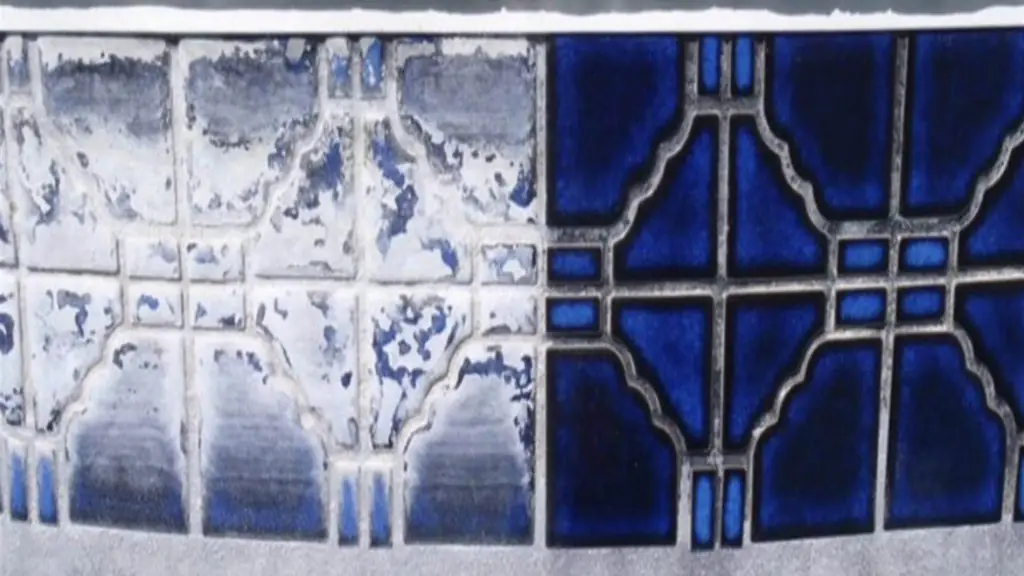
Walk up to a pool in Buckeye or Goodyear on any August afternoon and look at the waterline. If a pale, crusty band runs along the tile, you're looking at calcium. It starts as a faint haze you can wipe with a thumb. A year or two later it can look like someone poured concrete along the edge of the pool, and the blue or navy tile underneath has vanished.
Removing that crust is the job Miracle Pool Care started with in 2017, back when it was Miracle Blasting and Kevin Trumbull was taking calcium off pool tile for a living. So it's a fair place to start: what the crust is, why it forms, and what your real options are.
What the white band actually is
Calcium scale is a mineral deposit. Tap water in the Valley carries dissolved minerals, and pool water is just tap water that stays put. When water evaporates off the surface and the tile line, the water leaves and the minerals stay behind. Every cycle of splash, dry, and splash again adds another thin layer. Over a few seasons those layers harden into a rough, stony crust that grips the tile glaze.
The waterline shows it first because that strip of tile gets wet and dries out over and over. Spas, spillways, fountains, and rock grottos get the same buildup for the same reason: water running or splashing over a surface and then evaporating.
Three things stack up here. The water carries plenty of minerals to begin with. Summer heat and dry air drive evaporation hard, so the waterline is drying out constantly. And a pool that runs a little off balance tends to drop scale faster than one that's kept in range. You can't change your city's water, and you can't change July. What you can do is keep the chemistry balanced and deal with the first light film before it turns into a crust.
Scrubbing: fine for a light film
If the band is thin, rough to the touch but not thick, a tile-safe scrubbing block and some patience can work. Plenty of pool owners get decent results this way in the first year or two. A few things keep it from going wrong:
- Test a small hidden patch first. Glass and glazed tile scratch more easily than most people expect.
- Keep the surface wet while you work, so you aren't grinding dry grit into the glaze.
- Stop if the finish starts to look dull. A scratched tile traps more scale next season.
- Expect to repeat it. Scrubbing takes off the top of the deposit, and whatever is left behind gives the next layer something to grab.
Once the crust gets thick, scrubbing stops being a reasonable weekend job. It turns into hours on your knees for a small result, and leaning hard on the wrong tool is how tile gets damaged.
Bead blasting: how heavy scale really comes off
Bead blasting pushes fine, soft media at the surface at low pressure. The media is harder than the calcium but gentler than the tile glaze, so the deposit breaks away while the tile underneath stays intact. Done properly, it can bring back the colour of tile that looked finished. It also reaches what scrubbing can't: textured stone, pool rock, spillways, and grotto walls, where a brush just skates across the surface. The version Miracle Pool Care does is dustless, which matters when your patio furniture and your neighbour's fence are ten feet away.
The reason it's worth hiring out is control. Too much pressure, or the wrong media on the wrong surface, and you can etch tile or pit grout. Someone who has blasted a lot of waterlines knows by the sound and the look of the surface when to ease off. The water level usually has to come down below the tile line first, and a good company will check that before quoting.
When replacing the tile is the honest answer
Sometimes blasting isn't the fix. If tiles are cracked, loose, or popping off, or the glaze is already worn through, removing calcium won't solve the underlying problem. And if you've simply decided you want a different look, new tile is a perfectly good reason.
But a lot of homeowners have been ready to rip out all their tile when the real problem was a surface layer that came off clean. Have someone look at it in person before you commit to the bigger job. A short visit to find out which one you have is worth it before you commit to the bigger job.
Keeping it from coming back
Cleaned tile will collect calcium again if nothing changes. Keep the water balanced, wipe the waterline during regular cleaning, and watch for the first haze rather than waiting for a band. A sealed tile surface is also harder for scale to cling to, which is why some owners have their tile sealed after it's been cleaned.
If you're staring at a white band and can't tell whether it's a scrubbing job, a blasting job, or a tile job, call or text (623) 695-9199 and ask for a look.
Miracle Pool Care, (623) 695-9199
Call (623) 695-9199More articles
Acid Wash or Drain and Fill: Which Does Your Pool Need?
One treats the plaster and the other treats the water, and mixing them up is how people pay for the wrong job.
Monsoon and Summer Pool Care in the West Valley
A pool that sails through spring can fall apart in a single week of July heat and one good dust storm.